
 613-889-2580
Gatineau (Hull)
Home / Most Popular Neighborhoods
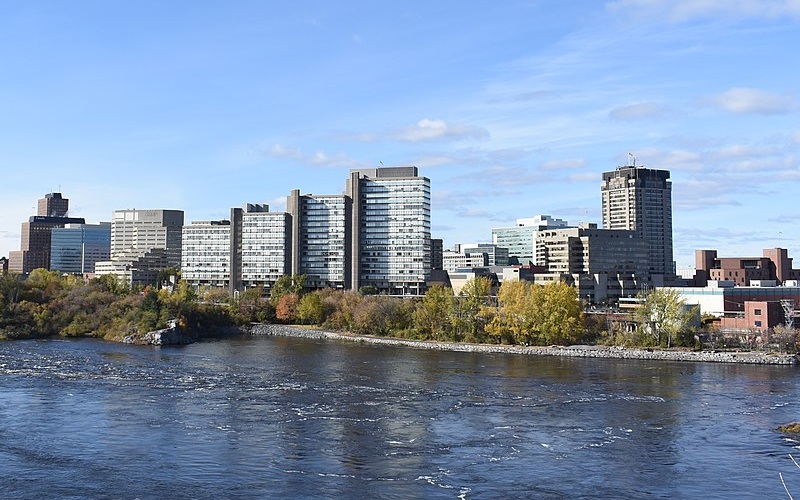
Gatineau (Hull)
Hull is a sector of the city of Gatineau, in which it constitutes the main hub. It is located on the west bank of the Gatineau River and on the north bank of the Ottawa River, opposite Ottawa.
The founder of Hull, Philemon Wright, born in Woburn, Massachusetts on September 3, 1760 and died on June 3, 1839, arrived on the banks of the Gatineau River in the winter of 1800. After building his farm, the Gatineau Farm, Wright decided in 1801 to build a village called Wright's Town near the Chaudière Falls. This village would become the city of Hull in 1875. Wright, who had sided with the American rebels during the War of Independence, was later a farmer. In 1797, he asked the government of Lower Canada to grant him the township of Hull. Philemon Wright initially wanted to farm there, but his investments in building Wright's Town and the poverty of the Ottawa Valley lands (despite water power) forced him to seek another way to rebuild his finances, and he invested the human resources at his disposal in the exploitation of forest resources. Landowner and speculator; appointed land agent in 1819. Engaged in livestock breeding, import and retail trade, small industry, steam navigation and lumbering, he founded Philemon Wright and Sons with his sons. President of the Hull Mining Company.
Elected as a member of Parliament for Ottawa in 1830, he supported the Patriote party and the Bureaucrat party and voted against the Ninety-Two Resolutions. Wright did not run again in 1834. He was a militia officer and justice of the peace. He contributed financially to the construction of the Anglican church in Hull. He was master of a Masonic lodge and published in the Canadian Magazine and Literary Repository of Montreal, in 1824, An account of the first settlement of the township of Hull.
Find the property of your dreams
5 Properties in Gatineau (Hull)
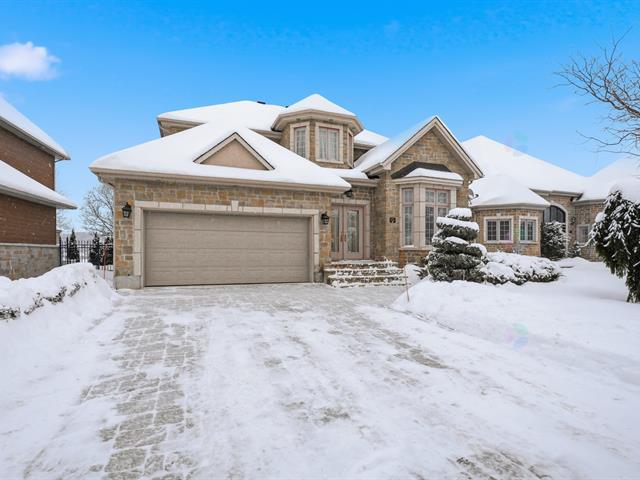
Gatineau (Hull)
- 4 Room(s)
- 3 Bathroom(s)
- 10 241 pc
- 2 Garage(s)

View propertyTriplex
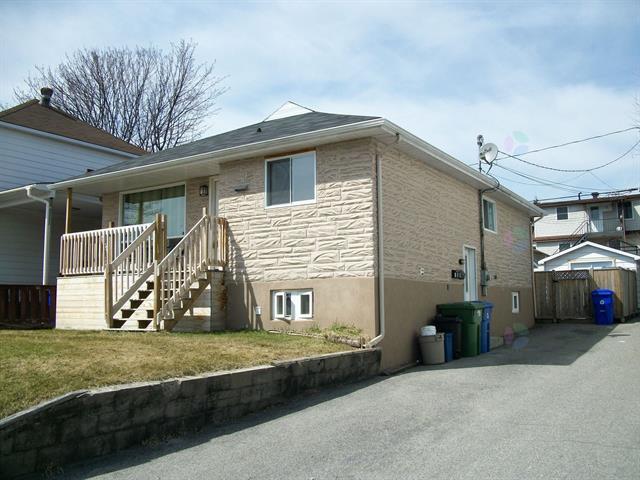
View propertyIncome properties
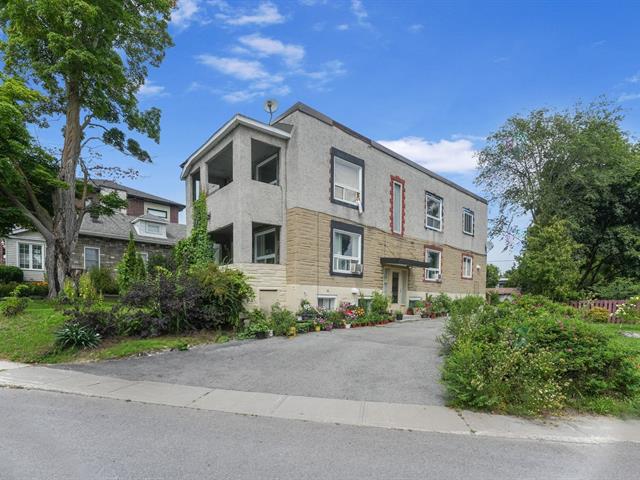
Gatineau (Hull)
32 - 34, Rue Viger, Quartier Val-Tétreau
- 0 Room(s)
- 0 Bathroom(s)
- 5 889 pc
- 0 Garage(s)
View propertyApartment

Gatineau (Hull)
295, boulevard Saint-Joseph, app. 402, Quartier Île de Hull
- 1 Room(s)
- 1 Bathroom(s)
- 653 pc
- 1 Garage(s)